
A city can complete a successful project and still miss an opportunity.
A street can work better, a public space can be rebuilt, or a piece of infrastructure can do exactly what it was designed to do without becoming a place people notice, value, or feel connected to.
Other cities are showing what can happen when artists enter that process. They help public projects do more than meet their technical goals by changing how people interact with and experience the redevelopment.
For Baltimore, that is the real value of looking outward. Cultural exchange can uncover possibilities and let us decide what those ideas become in Baltimore.
What If Artists Helped Design the Infrastructure?
In Phoenix, waiting to cross the street can mean standing in extreme heat. The city responded by installing 19 shade structures at busy intersections and crosswalks, but it did not treat shade as an engineering problem alone.
Local artists worked with the project team to shape structures inspired by the Sonoran Desert and the culture of Phoenix. The result gives pedestrians relief while they wait for the light to change. But the infrastructure also contributes something distinctive to the street and the people who use it.
Public art does not always need a separate site or a finished wall. Sometimes the opportunity is inside a project the city needs to build.
Building Art Into the Route People Use Every Day
Seattle is rebuilding a 1.7-mile corridor to make it safer and easier for people to walk, bike, take the bus, and reach a new light-rail station.
Artist Gerardo “Periko” Peña is designing nine metal-and-concrete artworks that will be embedded directly into the new sidewalks, including at bus stops, curb extensions, park entrances, and near the station. The designs will draw on the history and identity of the surrounding neighborhoods.
People will not have to make a special trip to see the art. They will encounter it while waiting for a bus, walking to the train, or moving through the neighborhood.
Seattle is taking something it already needed to build and giving an artist a role in shaping what that everyday experience will feel like. For Baltimore, that opens up a much more interesting possibility than simply finding another place to put public art.
What If Artists Helped Define the Problem?
New York City goes further by placing artists inside government agencies.
Its Public Artists in Residence program treats artists as creative problem-solvers who work with agencies on civic and social challenges. The artist begins with research, meeting staff and learning how the agency works before proposing a public-facing project.
That model suggests another possibility for Baltimore. Sometimes an artist may be most valuable before anyone has decided what the solution should look like.
Looking Outward Can Change How We See Home
Rotterdam offers a particularly relevant example for Baltimore. Public art there is woven into routes that take people through neighborhoods, architecture, waterfront areas, and city history.
Nosreme Baltimore’s Baltimore–Rotterdam Art Bridge is built around that kind of two-way learning. Baltimore artist Christopher “kolpeace” Johnson and Rotterdam artist Naomi King are creating companion murals shaped by local history and community input in both cities, alongside workshops, story circles, artist talks, and public unveilings.
The goal is not for Baltimore to become more like Rotterdam, Phoenix, Seattle, or New York.
It is to come home with more questions worth asking.
What could our infrastructure become? Where could artists contribute earlier? What public spaces are we using too narrowly? What could Baltimore try that we have not tried yet?
Cultural exchange works when ideas travel in both directions, and something changes because they did.
Nosreme brings the world to Baltimore and Baltimore to the world so that ideas can travel in both directions and return home as new approaches to the projects, public spaces, and challenges Baltimore is already working on.
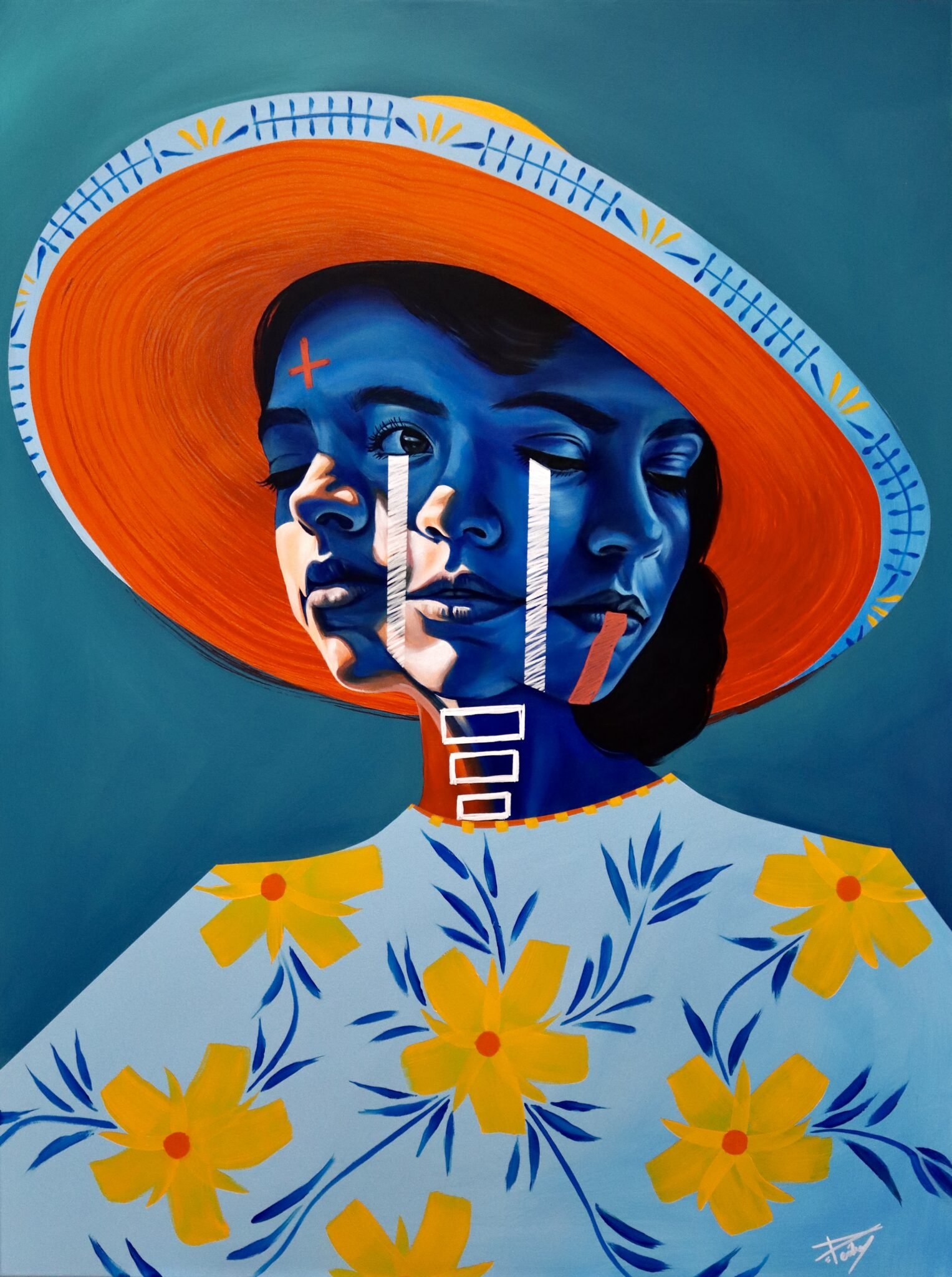
"3 Faces (3 Phases)" by Gerardo Peña, image courtesy of the artist. - This work is not by Nosreme Baltimore.