What Architecture Taught Me About Public Art Funding
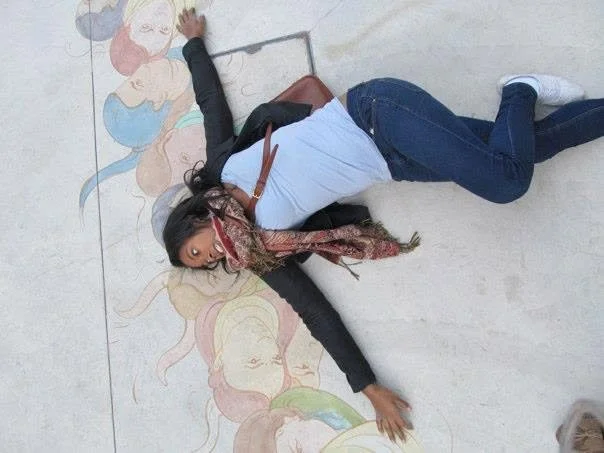
Ariana in 2011, Study aboard in Rome,Italy interacting with public art
By Ariana Parrish, Founder of Nosreme Baltimore
I studied architecture at Temple University, where my thesis focused on community-based artist residences. Architects learn to make the most consequential project decisions before anyone breaks ground. We scope the site, coordinate stakeholders, align with code, and build the budget around it all. By the time concrete is poured, zoning conversations, structural modeling, and community meetings have already shaped what the building will become.
I founded Nosreme to bring that same discipline to public art for developers. When an artist joins a capital project early, the artwork belongs to the building, and the commission stays on schedule.
The Case for Bringing Art Into the Build Process
When an artist enters the process during design development, they can walk the site with the architect, study the materials, and understand who will move through the space every day. The work that comes out of that kind of immersion feels like it belongs to the building because it was designed alongside it.
That is how Nosreme structures every public art commission. We bring the artist into the project early enough that their creative process and your construction schedule can move together.
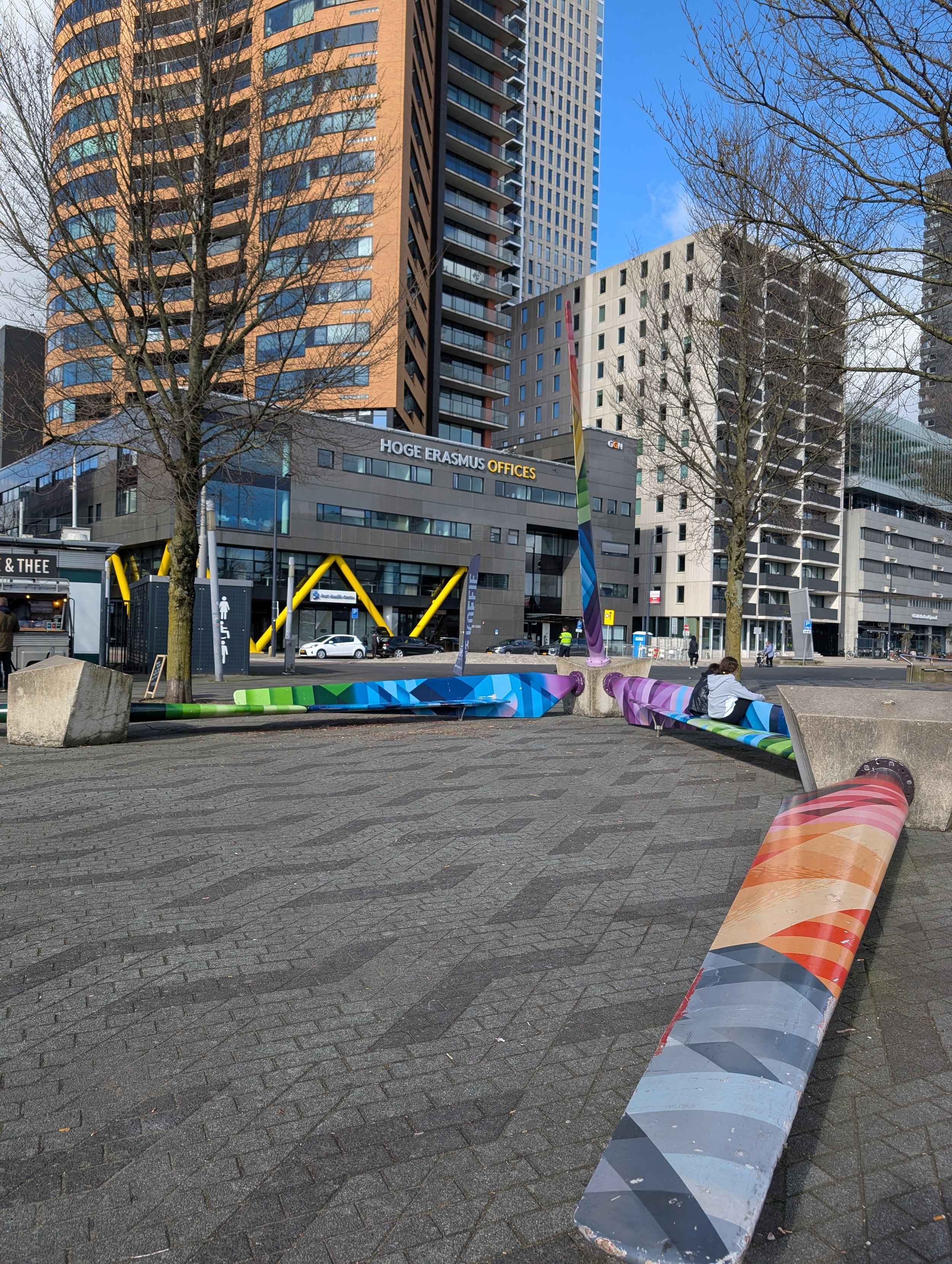
What Rotterdam Taught Me About Public Art Strategy
Before founding Nosreme, I traveled to more than 40 countries studying how cities invest in their creative ecosystems. I kept returning to the same question: what makes public artwork in some cities feel like it belongs to the neighborhood?
Rotterdam gave me the clearest answer. Baltimore's sister city since 1985, Rotterdam embeds arts professionals directly in its urban development teams. When a new building goes up, someone on the project team owns the art workstream alongside the architect and the general contractor. The artist selection and fabrication timeline stay connected to the build, and community engagement grows out of the commission itself. The artwork feels rooted in the place because an arts professional helped shape it during the planning phase.
That kind of embedded partnership remains rare in U.S. development, especially in mid-size cities like Baltimore. Nosreme was built to fill that gap, bringing a public art strategy to the commission process so that someone on your project team owns the process.
The Returns Developers See From a Strong Commission
Developers need community support during entitlements and a public narrative that works in their favor. A well-structured commission delivers both.
Nosreme's ArtWorks in Progress program gives developers a concrete example. AWIP transforms construction fences into site-specific outdoor galleries by Baltimore-based artists. Residents who would otherwise experience months of visual disruption see original artwork on their daily commute instead. That shift in perception changes how a neighborhood talks about a development while it is still under construction.
Public art ROI also shows up in the financial structure of a project. In Maryland, public art investments can support TIF eligibility and satisfy public benefit requirements tied to PILOT agreements. For developers assembling a funding package, a commission managed by a 501(c)(3) partner strengthens the public benefit case at the approval stage.
Bring Your Public Art Consultant in Early
If you are preparing an RFP, scoping a capital project, or exploring a percent-for-art allocation, bring your public art consultant in the same way you would bring your architect. Early. Before the design is locked. Before the timeline is fixed.
Nosreme is built for that conversation. Connect with us to get started.