Why Public Art Belongs at the Beginning of a Development
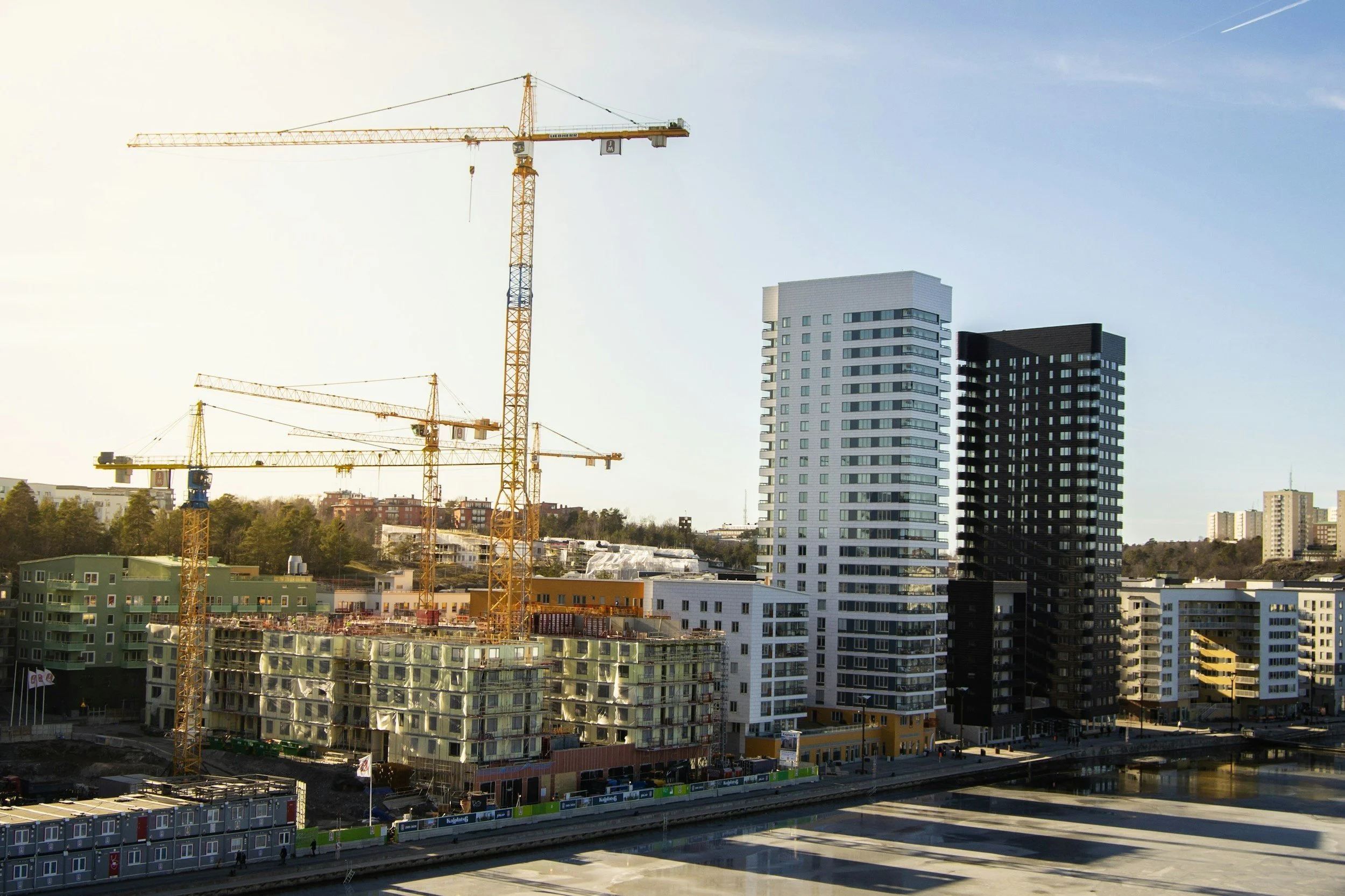
Every new development changes more than a parcel of land.
A building becomes part of the view from the sidewalk. It changes how people move through a block and what they see on their way to work, school, or home. Over time, it becomes part of how a neighborhood understands itself.
Developers help shape that public environment every time they build.
As an architect and founder of Nosreme Baltimore, I’ve learned to see a project in that larger context. Architecture asks us to consider the relationship between a building and the people who will experience it, including those who may never walk through the front door.
Public art can shape that relationship too.
Art Can Be Part of the Vision
When developers include public art in the early planning process, artists have more to work with than a finished building and a designated space. They can consider the site's history, the surrounding community, the architecture, how people will move through the space, and the story the project will become part of.
That can lead to work that feels inseparable from its location.
A sculpture might become a landmark. An installation might change how people experience an entrance or public gathering space. When art becomes part of the architecture, it can create a sense of connection or recognition, and give the development an identity that people remember.
That kind of work begins with a bigger question than, “Where can we put the art?”
It begins with, “What could art contribute here?”
Artists Can Help Shape the Place
Baltimore artists are already producing work recognized by major museums, galleries, and audiences beyond the city. For developers, bringing that caliber of artist into a project creates an opportunity to give a new development a stronger sense of place, a more memorable public presence, and a deeper connection to the city around it.
Nosreme Baltimore helps make those collaborations possible. We connect developers and communities with artists for temporary installations, permanent commissions, and other public art projects that can become part of the development from the beginning.
Bringing the artist in early gives the work a chance to become part of the project itself, rather than something added after the building has already taken shape.
My architectural training taught me that ambitious ideas only become real when the project is designed to support them. If the art is part of the conversation early, the architecture can accommodate it, the budget can account for it, and the installation can be planned before those decisions become difficult or expensive to change.
That is how a commission moves beyond decoration and becomes something people associate with the place itself.
Building Cultural Infrastructure Alongside Buildings
As an architect, I learned that buildings outlast the teams that design and construct them. They become part of a city’s fabric and part of people’s daily lives. Public art gives developers an opportunity to shape that legacy with artists whose work brings meaning and cultural presence to the places they create.
That is what we mean at Nosreme when we talk about cultural infrastructure. Meaningful public art commissions give Baltimore artists the chance to create ambitious work here while giving developers a way to build cultural value into the places they create.
The opportunity is bigger than adding character to a building. Public art can give a development a lasting place in the cultural memory of a neighborhood and create something people come to recognize as part of Baltimore itself.
Nosreme helps developers bring artists into the project early enough for that kind of work to take shape alongside the architecture. If you are planning a new development, talk with us about what public art can make possible.